How to Prepare for a Micro-Ear Cleaning Appointment
Preparing for a micro-ear cleaning appointment helps you get the safest, most effective result. This guide covers the signs you may need ear cleaning, how to use softening drops beforehand, what to avoid on the day, what happens during the procedure, and how to care for your ears afterwards.
Signs You May Need Micro-Ear Cleaning
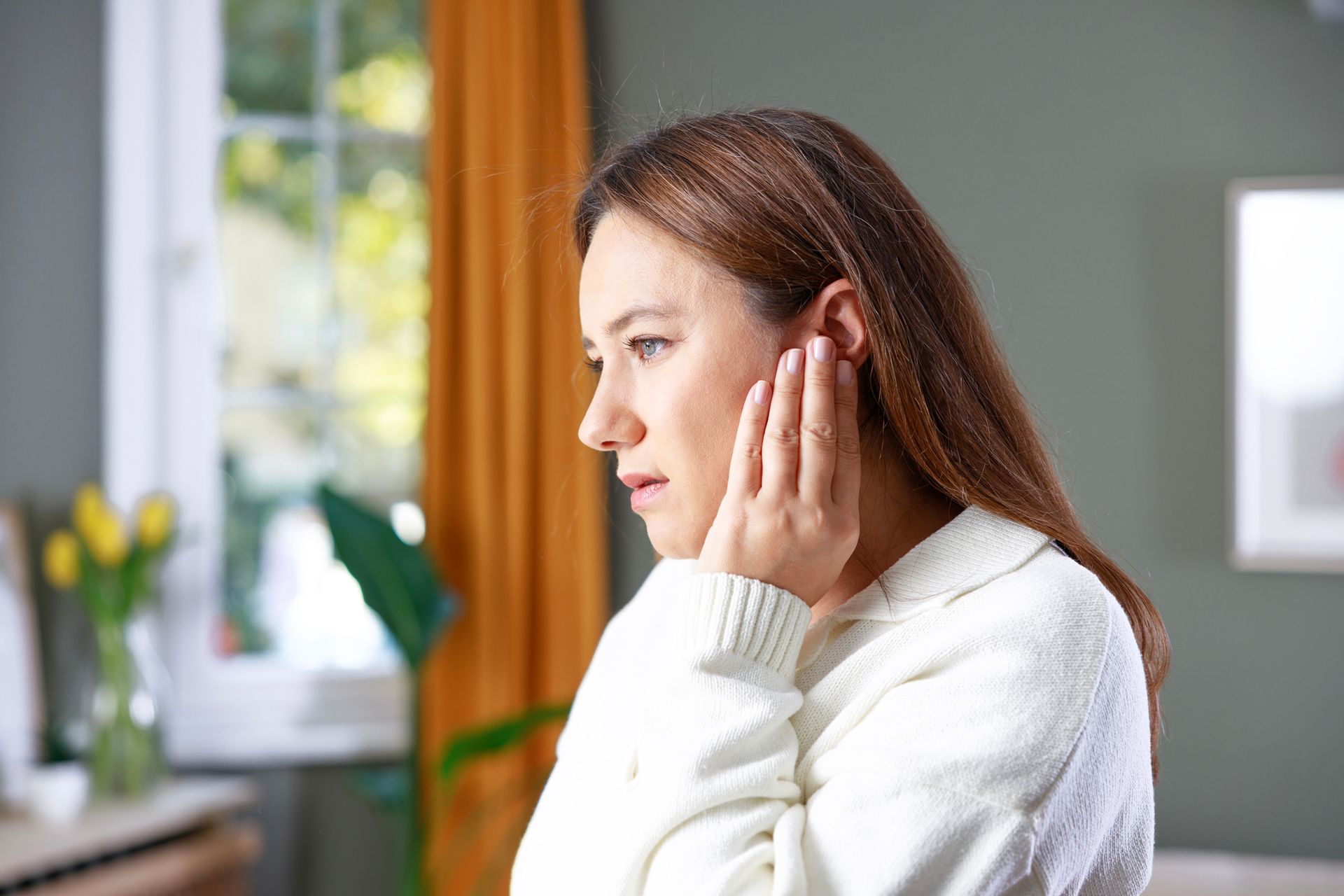
Earwax buildup does not always cause obvious pain. Common signs include muffled or reduced hearing, a feeling of fullness or pressure, ringing or buzzing (tinnitus), itching deep in the ear canal, or an earache without a visible cause. If you wear hearing aids, you may notice them performing less reliably, since wax can block the sound path and affect fit.
On Sydney's Northern Beaches, where many residents swim regularly, earwax problems can develop more frequently. Repeated moisture in the ear canal may contribute to wax becoming impacted or harder to shift naturally.
If you recognise any of these signs, speak with a specialist before attempting to manage the issue at home.
Should You Use Ear Drops Before Your Appointment?
Using wax-softening drops in the days before your appointment can make the procedure more comfortable and effective. Softening the wax helps the clinician remove it more easily under the microscope.
Over-the-counter options such as Waxsol or Cerumol are available at pharmacies across Sydney. These are generally applied each evening for two to four nights before your appointment. Follow the packaging instructions and check with the clinic first, as individual advice may vary.
Drops may not be suitable if you have a history of a perforated eardrum, a current ear infection, or grommets in place. Check with your ENT specialist before using any drops.
How to Apply Ear Drops Safely
Lie on your side with the affected ear facing upward. Place the recommended number of drops into the ear canal and stay in that position for several minutes. Gently wipe away any excess with a tissue when you sit up. Avoid inserting cotton buds or anything else into the canal before your appointment.
What to Avoid Before Your Appointment
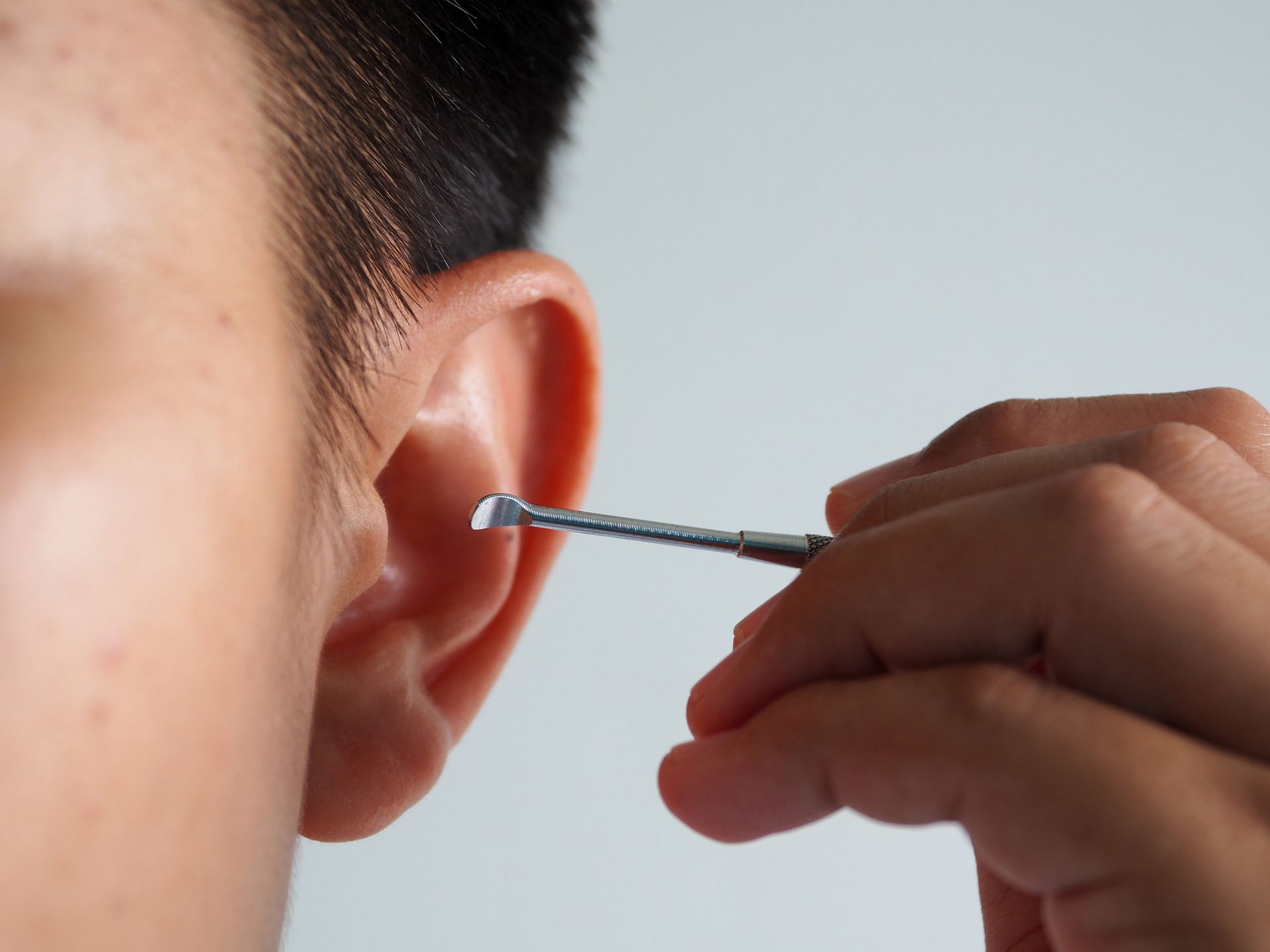
Cotton buds are one of the most common contributors to earwax impaction. Inserting them pushes wax deeper into the canal, making it harder to remove. Avoid using them entirely in the days leading up to your visit.Ear candles have no evidence base for effectiveness and carry a risk of burns and further blockage. Do not use them.
If you have been swimming, allow time for the ear canal to dry naturally before your appointment. You should also bring any relevant referrals or prior test results. A current GP referral is generally required, so confirm this is in order ahead of time.
Is Micro-Ear Cleaning Safe for People With Sensitive Ears?
Micro-ear cleaning may be a good option for people with sensitive ears, narrow ear canals, or those who have had problems with syringing in the past. Because the procedure is performed under direct microscopic vision without water, it may offer a gentler experience than traditional irrigation methods.
What Happens During the Procedure
Micro-ear cleaning is a brief in-clinic procedure. The clinician uses a microscope to view the ear canal directly, then gently removes wax and debris using low-pressure suction. Because everything is performed under direct magnification, the clinician can work precisely without disturbing the surrounding ear structures.
Unlike ear syringing, the procedure does not involve water, which avoids the risk of moisture-related infection and is generally better tolerated, particularly for patients with narrow or sensitive ear canals. A clinical assessment is also carried out before treatment begins.
How Long Does the Procedure Take?
The procedure is usually completed within a short appointment. The exact duration depends on the degree of wax buildup and how well the wax has softened beforehand, which is one more reason preparation matters.
Aftercare Following Your Appointment
Once your ears have been cleaned, you may notice improved hearing clarity, reduced pressure, and less tinnitus. Some patients experience mild sensitivity for a short period, which generally settles quickly.
Continue to avoid inserting anything into the ear canal. If you swim regularly at places like Manly Beach or Dee Why Beach, consider using well-fitted ear plugs to protect the canal from moisture and debris.
If you notice any unusual symptoms after your visit, such as increased pain, discharge, or a sudden change in hearing, contact the clinic promptly.
Ready to Book Your Appointment?
Use softening drops as directed, avoid cotton buds and ear candles, and bring your GP referral. The clinic at Suite 12, 22 Fisher Road, Dee Why, NSW, 2099, offers convenient undercover visitor parking beneath the building, making it easy to access from across the Northern Beaches and surrounding Sydney suburbs. Call (02) 9982 5285 or get in touch via the contact page.
Dr Allan W. Forrest and his team at Northern Beaches ENT Clinic offer specialist-led micro-ear cleaning services for patients across Sydney and the Northern Beaches. To read reviews and find the clinic location, visit Dr Allan W. Forrest on Google.