
5 Reasons Why Patients in Sydney, NSW, Are Choosing Micro-Ear Cleaning

Many people are reconsidering how they manage their ear health. Rather than relying on outdated methods, more patients are turning to micro-ear cleaning across Sydney, NSW, as a safer, more precise option for earwax removal. Understanding what this procedure involves, how it compares to traditional ear syringing, and why medical professionals often recommend it may help you make a more informed decision about your own hearing health.
What Is Micro-Ear Cleaning and How Does It Differ From Ear Syringing?
Ear cleaning treatment is a clinical procedure that uses a small, low-pressure suction device to remove earwax and debris from the ear canal. It is performed under a microscope, which gives the treating clinician a clear, magnified view of the entire ear canal throughout the process. This level of visibility allows for targeted, careful removal without disturbing the surrounding ear structures.
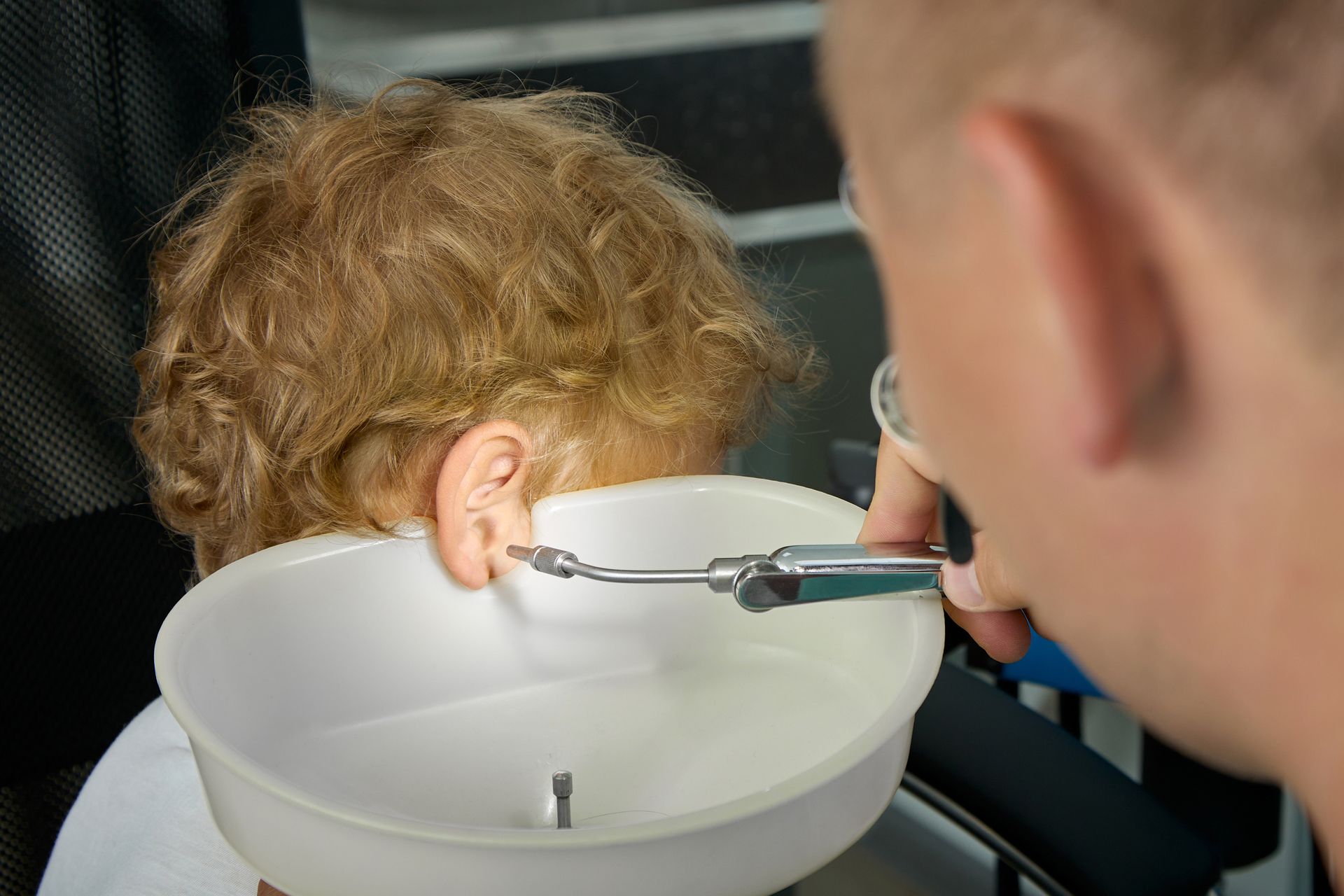
Traditional ear syringing works differently. It uses water pressure to flush wax out of the ear canal. Because syringing relies on water pressure rather than direct visual guidance, the clinician has limited visibility during the procedure. This can make it harder to control exactly where the water stream goes and what it dislodges.
The key difference comes down to control and visibility. This procedure allows the clinician to see precisely what they are removing and where, which is not possible with water-based syringing.
Reason 1: It Is Performed Under Direct Microscopic Vision
One of the most significant advantages of micro-ear cleaning
available to patients in Sydney, NSW, is that the entire procedure takes place under direct magnified vision. The clinician can observe the ear canal in real time and guide the suction tool with accuracy. This means wax and debris are removed in a controlled, targeted way.
With traditional syringing, the clinician cannot see the ear canal while water is being flushed through it. This lack of visibility may increase the risk of complications, particularly if the wax is deeply lodged or the patient has a history of ear issues.
Why Visibility Matters for Ear Safety
When a clinician can see the ear canal clearly, they may be better positioned to detect any underlying concerns early. The microscopic view also helps to avoid contact with the sensitive walls of the ear canal and the eardrum, which can reduce the risk of accidental injury during the procedure.
Reason 2: It Is a Dry Procedure With No Water Involved
Micro-ear cleaning does not use water. This is an important distinction for patients who may be prone to ear infections or who have had ear issues in the past. When water enters the ear canal during syringing, it can sometimes remain trapped behind incompletely removed wax, creating conditions where bacteria or fungi may grow.
Because this technique uses gentle suction rather than water pressure, it avoids introducing moisture into the ear canal. This may help reduce the risk of post-procedure infection for patients who are more susceptible.
Patients Who May Particularly Benefit From a Dry Method
Some patients may be better suited to a dry method of earwax removal. These can include people who have had previous ear surgery, those with a history of recurrent ear infections or individuals who are known to have a perforated eardrum. A professional assessment is always recommended to determine which method is most appropriate for each patient's specific circumstances.
Reason 3: It Can Be More Effective for Hardened or Impacted Wax
Earwax that has become hard or impacted can be particularly challenging to remove with water alone. Syringing may sometimes struggle to dislodge dense wax, and there is a possibility that water pressure could push wax further into the canal rather than clearing it. Micro-ear cleaning, by contrast, uses suction to draw wax out directly, which can be more effective when wax is hardened or tightly packed.
Why Impacted Wax Is a Common Problem in Sydney, NSW
People across Sydney, NSW's northern beaches and surrounding suburbs who spend a lot of time in the water, such as surfers and regular swimmers, may be more prone to wax buildup and related ear canal issues. Frequent water exposure can contribute to changes inside the ear canal that make thorough, precise cleaning more important than ever.
Reason 4: It Is Often Recommended by ENT Specialists
The preference amongst ear, nose and throat specialists has shifted noticeably in recent years. Many ENT clinicians now favour microscopic techniques over water-based syringing for routine earwax removal. This is largely because the combination of direct vision and gentle suction may offer greater procedural control and a lower risk of complications for the patient.
Guidance from the Royal Australian College of General Practitioners (RACGP) has noted that ear irrigation can be associated with complications such as infection, vertigo and, in rare cases, perforation of the eardrum. Manual removal techniques performed under direct vision are highlighted as providing greater control when clinically appropriate.
The Role of a Specialist Assessment Before Micro-Ear Cleaning
Before any earwax removal procedure
, a thorough ear assessment is important. A qualified ENT specialist can examine the ear canal, identify the nature and location of any wax buildup and recommend the most suitable approach. This step helps to avoid unnecessary risks and ensures the treatment chosen is matched to the patient's individual ear health history.
Reason 5: It Can Support Long-Term Hearing Health
Earwax that is left untreated or removed incorrectly can contribute to ongoing hearing difficulties. Accumulated wax may muffle sounds and make it harder to follow conversations, particularly in noisy environments. Addressing wax buildup with a precise, clinically guided method may support better hearing clarity over time.
For patients in Sydney, NSW, who rely on hearing aids, regular ear maintenance can be especially valuable. Hearing aids can contribute to wax accumulation by partially blocking the ear canal's natural self-cleaning process. A clear, healthy ear canal may allow hearing devices to function more effectively.
How Often Patients Might Consider Micro-Ear Cleaning
The right frequency for professional ear cleaning varies from person to person. It often depends on how much wax an individual naturally produces, whether they wear hearing aids and their exposure to environments like the ocean or dusty workplaces. A specialist can provide personalised guidance based on your ear health history.
Help others in your community find trusted ear care
.
Speak With an ENT Specialist Today!
If you are considering this procedure and would like to understand whether it is appropriate for your situation, speaking with a qualified ENT specialist is a sensible first step. Dr Allan W Forrest has been practising as an ENT specialist since 1991 and offers micro-ear cleaning services at the Northern Beaches ENT Clinic.
To arrange a consultation or find out more about available ear services, contact
the clinic.
Learn how to prepare for a micro-ear cleaning appointment in Sydney. Dr Allan W. Forrest offers specialist ENT care. Call to book.
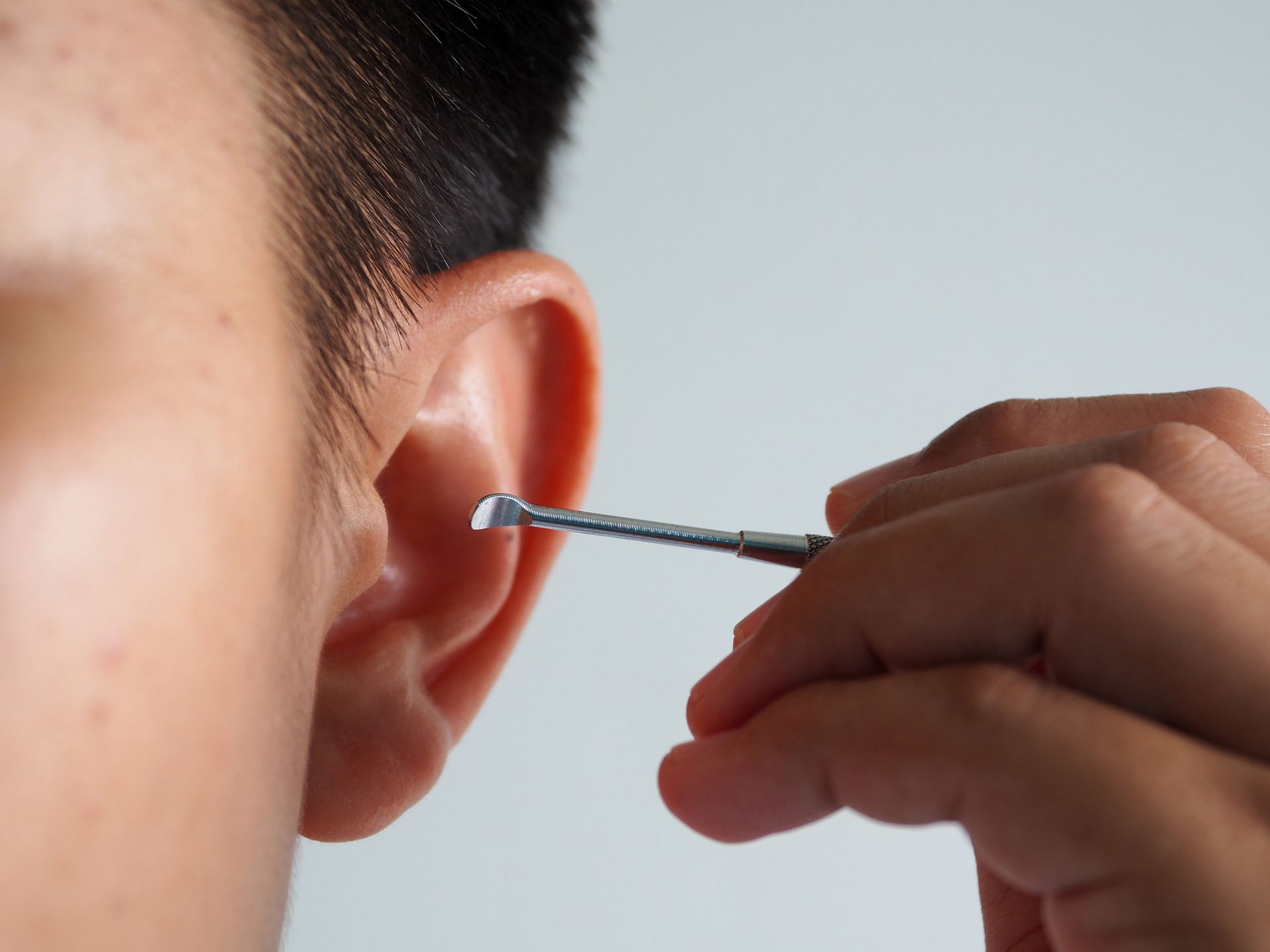
Discover why micro-ear cleaning at Dr Allan W. Forrest in Sydney is safer than DIY methods. Call (02) 9982 5285 or click here to learn more!

Experience the benefits of Micro-ear Cleaning Sydney at Northern Beaches ENT Clinic. Schedule your consultation with Dr. Allan W. Forrest today!